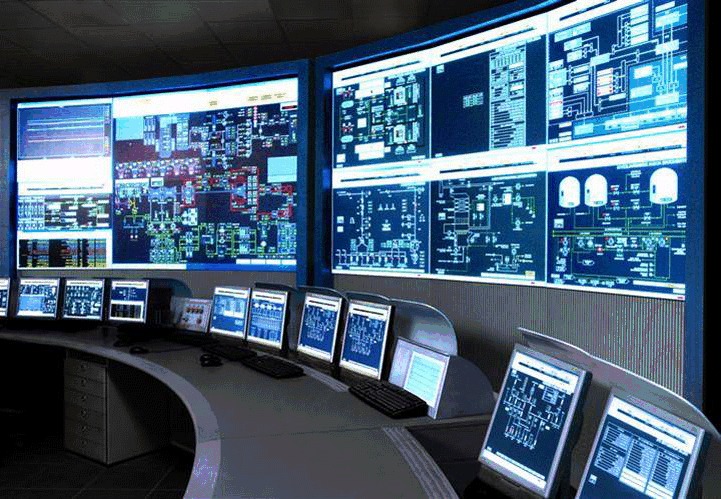


SCADA (Supervisory Control and Data Acquisition) and Controls Electrical Engineering
SCADA (Supervisory Control and Data Acquisition) and Controls Electrical Engineering is a specialized field that focuses on the design, implementation, and maintenance of systems that monitor and control industrial processes. These processes can include manufacturing, power generation, water treatment, and various infrastructure systems. SCADA and controls engineers play a crucial role in ensuring the efficiency, safety, and reliability of these complex operations.
SCADA systems are at the heart of many industrial processes, acting as a centralized platform for monitoring and controlling various components. SCADA allows operators to remotely supervise and interact with devices and processes in real-time. This includes collecting data from sensors, controlling equipment, and providing a user interface for operators to make informed decisions.
Controls electrical engineers design the control systems that govern the behavior of machines and processes. This involves creating algorithms and logic that dictate how different components interact to achieve desired outcomes. The aim is to automate processes, optimize efficiency, and ensure that operations are within specified parameters.
One of the key features of SCADA and controls engineering is the integration of sensors and actuators. Sensors collect data on parameters like temperature, pressure, and flow rates, while actuators respond to control commands, adjusting valves, motors, or other devices. This closed-loop system allows for real-time adjustments based on the collected data, contributing to precise and efficient process control.
SCADA and controls engineering is particularly crucial in industries such as power generation and distribution. Engineers design control systems that manage the generation and distribution of electricity, ensuring stability in the power grid. This involves monitoring factors like voltage, frequency, and load demand, with the ability to make rapid adjustments to maintain a reliable power supply.
In manufacturing, SCADA and controls systems optimize production processes. Engineers design control strategies that regulate machinery, manage inventory, and monitor quality, contributing to increased productivity and reduced waste.
As industries evolve, SCADA and controls electrical engineers are increasingly incorporating advanced technologies like machine learning and artificial intelligence into their systems. This enables predictive maintenance, anomaly detection, and adaptive control strategies, further enhancing the efficiency and reliability of industrial processes.
In essence, SCADA and Controls Electrical Engineering is about creating intelligent systems that empower industries to operate with precision, efficiency, and safety. These engineers are the architects of the digital nervous system that oversees and orchestrates the intricate dance of machines and processes in modern industrial environments.