
Design Engineering
Electrical Design Engineering is a specialized discipline within electrical engineering that focuses on the creation, development, and optimization of electrical systems. This multifaceted field encompasses a broad range of applications, from designing intricate circuit boards and control panels to planning the electrical infrastructure for buildings, industrial facilities, and even entire power distribution networks.
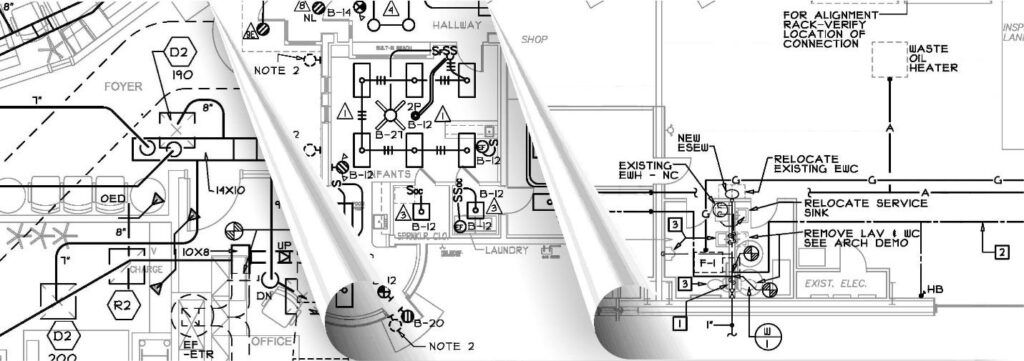
One of the primary responsibilities of electrical design engineers is to conceptualize and create electrical systems that meet specific requirements. This involves translating project objectives into detailed electrical schematics, layouts, and specifications. These engineers work on a diverse array of projects, from designing the electrical components of consumer electronics to developing the electrical systems for large-scale industrial plants.
Circuit design is a fundamental aspect of electrical design engineering. Engineers create circuits that power electronic devices, ensuring they function efficiently and reliably. This can involve designing analog and digital circuits, incorporating microcontrollers, and optimizing power distribution within the system.
Control systems are another key focus area. Electrical design engineers work on developing control panels and systems that regulate and automate processes. This includes designing interfaces, programming controllers, and integrating various sensors to ensure precision and efficiency in industrial automation, robotics, and other applications.
In the realm of building design, electrical engineers play a vital role in planning and implementing the electrical infrastructure. This includes designing lighting systems, power distribution, fire alarm systems, and other electrical components to ensure the safety and functionality of buildings.
Energy efficiency is an essential consideration in electrical design engineering. Engineers work on optimizing electrical systems to minimize energy consumption and reduce environmental impact. This involves selecting energy-efficient components, incorporating smart technologies, and designing systems that meet or exceed industry standards for sustainability.
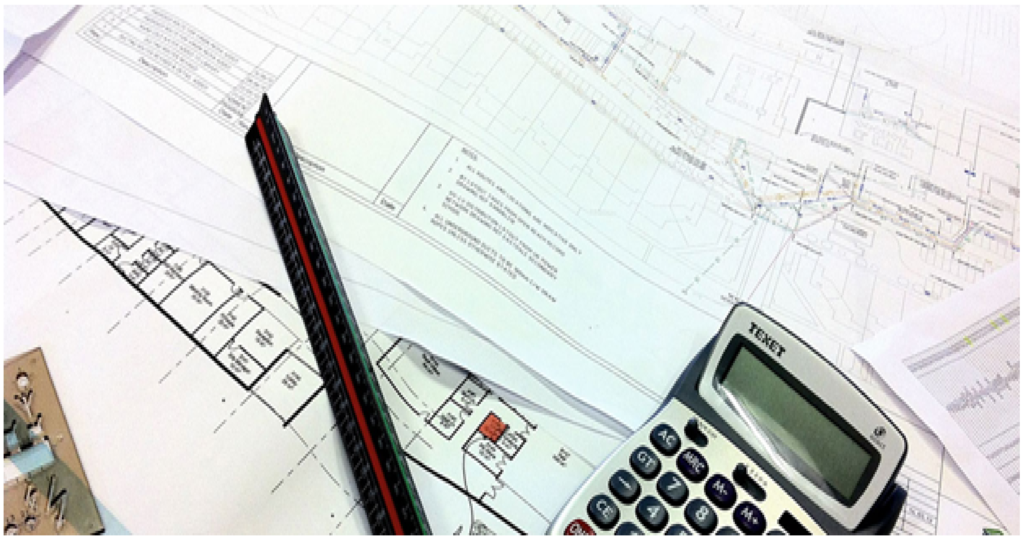
The use of Computer-Aided Design (AUTOCAD/REVIT) software is prevalent in electrical design engineering. Engineers utilize these tools to create detailed and precise schematics, ensuring accurate representations of the electrical systems they design. Additionally, simulation software allows engineers to test and refine designs before implementation, reducing the risk of errors and ensuring optimal performance.
In summary, electrical design engineering is about bringing electrical systems to life. Whether it’s designing circuits for cutting-edge electronics, creating control systems for industrial processes, or planning the electrical infrastructure for buildings, electrical design engineers play a pivotal role in shaping the functionality, efficiency, and safety of various electrical systems across diverse industries.