

Telecommunication Electrical Engineering
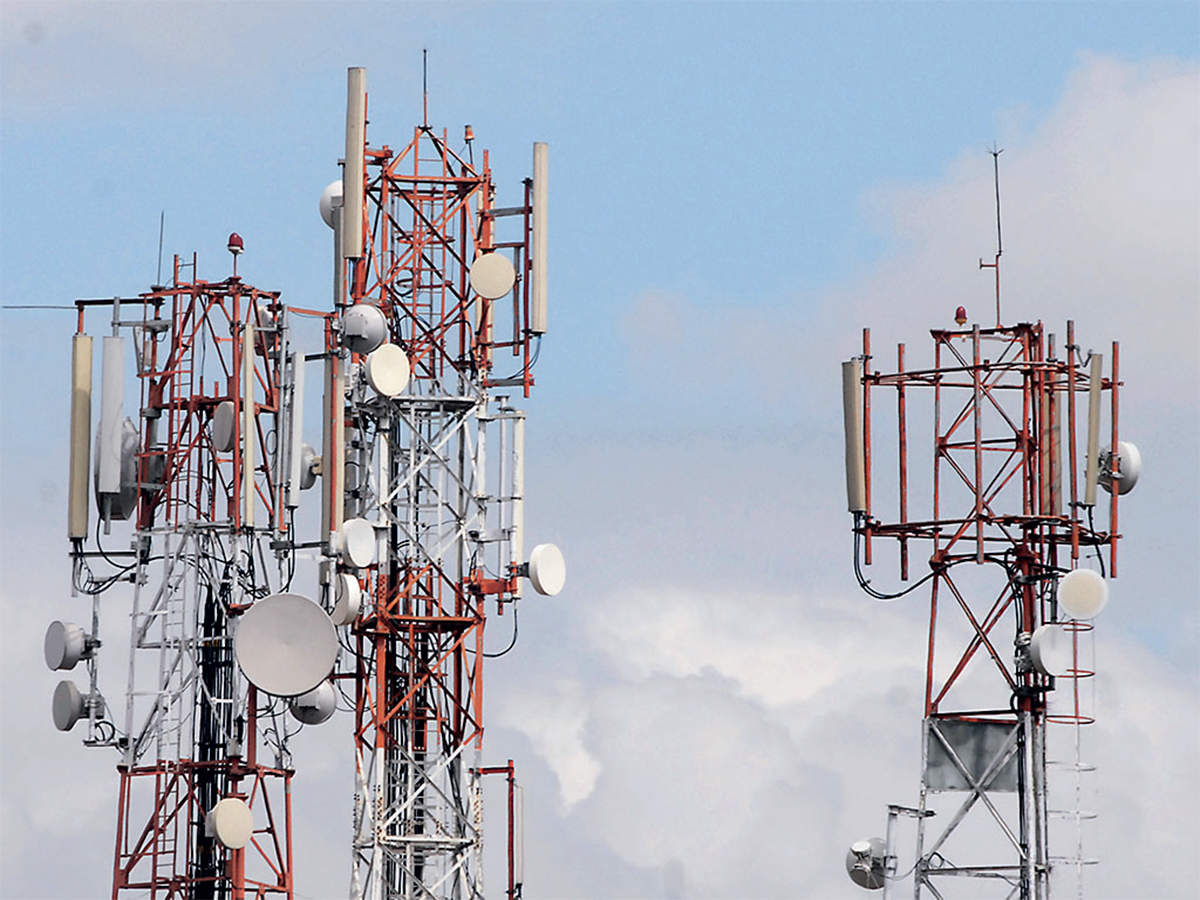
Telecommunication Electrical Engineering is a specialized branch of electrical engineering dedicated to the design, development, and maintenance of systems that enable communication over long distances. This field plays a crucial role in shaping the modern world, as it is responsible for the infrastructure that facilitates global connectivity through various technologies.
Telecommunication electrical engineers focus on creating efficient and reliable communication networks. This involves the design of systems for transmitting voice, data, and multimedia content. From traditional telephone lines to cutting-edge fiber-optic cables and wireless networks, these engineers work on developing solutions that ensure seamless communication between individuals, businesses, and even entire nations.
The field encompasses a wide range of technologies, including radio communication, satellite systems, and the internet. Telecommunication engineers design the hardware and software components that enable these systems to function optimally, considering factors like signal strength, bandwidth, and data security.
In the rapidly evolving landscape of telecommunications, engineers play a crucial role in the deployment of new technologies such as 5G networks, which promise faster and more reliable wireless communication. They also contribute to the development of protocols and standards that govern how information is transmitted, ensuring compatibility and interoperability between different devices and networks.
Telecommunication electrical engineering is not only about connecting people but also about enabling the Internet of Things (IoT) and supporting emerging technologies like smart cities and autonomous vehicles. As the demand for high-speed, ubiquitous connectivity continues to grow, telecommunication electrical engineers remain at the forefront of innovation, working to build the infrastructure that keeps the world connected.