

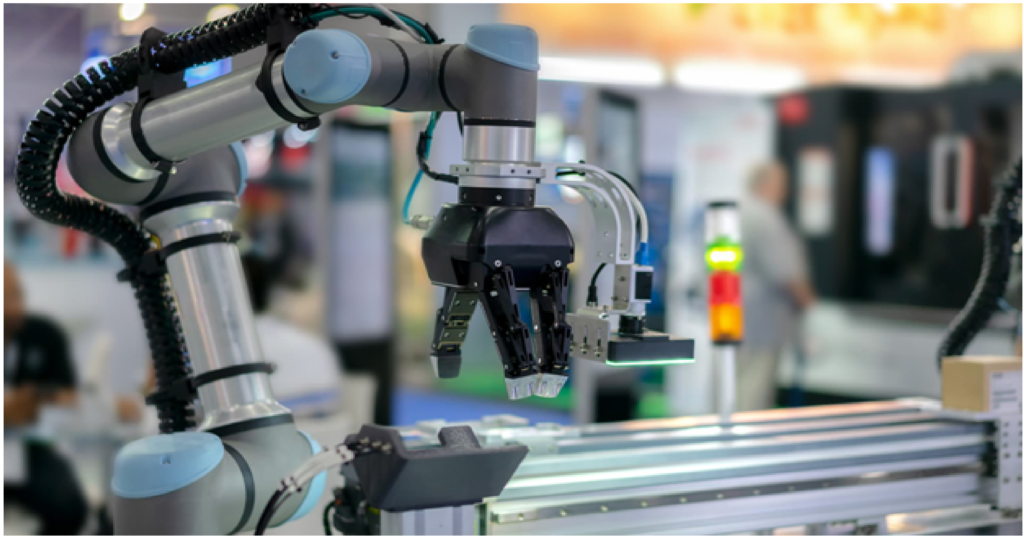
Robotics and Automation Engineering
Robotics and Automation Engineering is a cutting-edge field that combines mechanical, electrical, and computer engineering to create intelligent systems capable of performing tasks autonomously. This exciting discipline is at the forefront of technological innovation, revolutionizing industries and shaping the future of work and daily life.
At its core, Robotics and Automation Engineering focuses on designing and developing robots and automated systems that can operate in diverse environments. These systems range from industrial robots used in manufacturing to autonomous vehicles, drones, and household robots that assist with daily chores.
One of the key objectives of this field is to enhance efficiency and precision in various industries. In manufacturing, robotics engineers design automated systems that can assemble products, handle materials, and perform intricate tasks with speed and accuracy. This not only increases productivity but also improves the quality of manufactured goods.
Automation is not limited to the industrial sector. In agriculture, robotic systems are used for precision farming, monitoring crop health, and performing tasks such as harvesting. In healthcare, robots assist in surgery, rehabilitation, and patient care. Additionally, autonomous vehicles and drones are becoming integral parts of transportation and logistics systems.
Artificial intelligence (AI) plays a pivotal role in Robotics and Automation Engineering. Engineers integrate AI algorithms and machine learning techniques to enable robots to adapt to changing environments, learn from experiences, and make decisions. This allows robots to perform complex tasks with a level of autonomy and adaptability that was once thought to be the realm of science fiction.
The interdisciplinary nature of Robotics and Automation Engineering means that professionals in this field need a diverse skill set. They must understand mechanical design, electronics, control systems, programming, and artificial intelligence. Collaboration between experts in these areas is essential to create holistic and effective robotic systems.
As technology advances, Robotics and Automation Engineering continue to push boundaries. The field is not only about creating machines that can perform tasks; it’s about developing intelligent systems that can collaborate with humans, understand their environment, and contribute to the betterment of society. Whether it’s in manufacturing, healthcare, agriculture, or exploration, the impact of Robotics and Automation Engineering is reshaping the way we live and work.