

Instrumentation Electrical Engineering
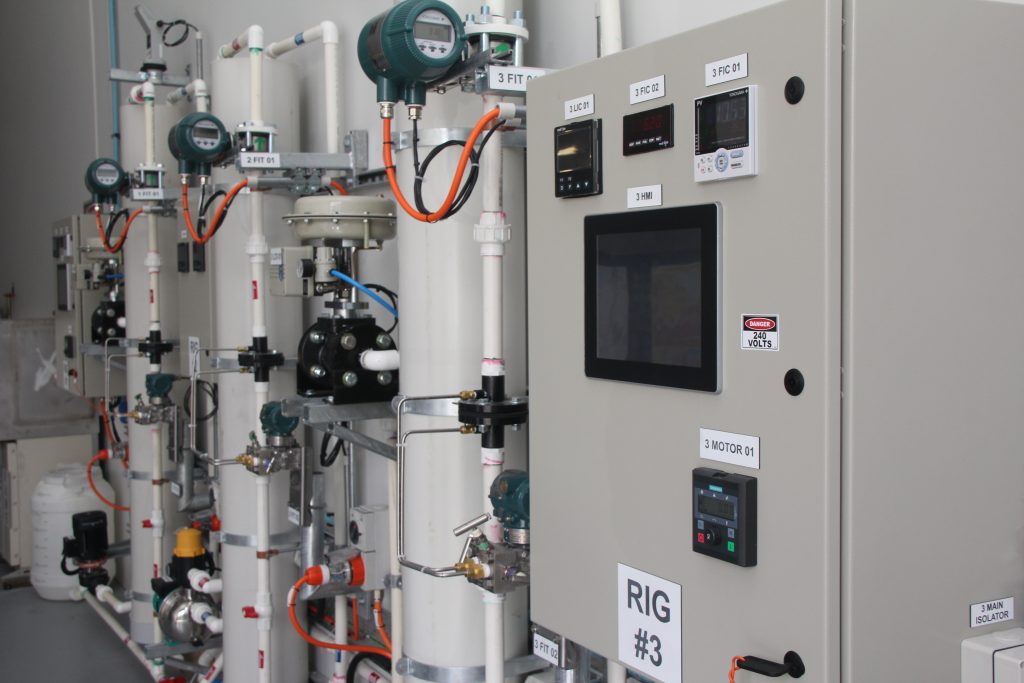
Instrumentation Electrical Engineering is a specialized field that revolves around the design, development, and maintenance of instruments and control systems used in various industries. It plays a crucial role in ensuring precision, accuracy, and reliability in measuring and controlling different processes, ranging from manufacturing and chemical processing to environmental monitoring and healthcare.
One of the key aspects of instrumentation electrical engineering is the creation of instruments that measure physical quantities such as temperature, pressure, flow, level, and voltage. These instruments, often equipped with sensors and transducers, convert physical parameters into electrical signals that can be easily interpreted and utilized for monitoring and control purposes.
Control systems are another vital component of instrumentation electrical engineering. Engineers design and implement systems that automate and regulate processes to maintain desired conditions. This involves the use of feedback mechanisms to continuously monitor and adjust variables, ensuring stability and efficiency in various industrial operations.
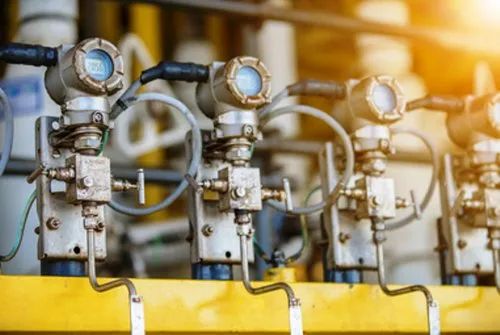
In industrial settings, instrumentation electrical engineers design and install control panels that house the necessary instruments and equipment. These control panels serve as the nerve center for monitoring and managing complex processes, providing operators with real-time data and the ability to intervene when needed.
The field of process control relies heavily on instrumentation electrical engineering. Engineers work on creating systems that optimize production processes, improve efficiency, and enhance safety. This includes the implementation of Programmable Logic Controllers (PLCs) and Distributed Control Systems (DCS) to automate tasks and manage complex operations.